
How to Turn a Dark, Unused Basement into Your Family's Favorite Room
If your basement is currently dark, chilly, and full of “stuff,” you’re not alone.
Many families feel frustrated walking past a space that could be so much more. Do you wish you had a cozy hangout for the kids, a quiet office, or a real spot for movie nights instead of a concrete storage zone?
If you’re tired of wasted square footage and ready to imagine your basement as your family’s favorite room, this guide will walk you through how to get there step by step.

Let's bring your
dream space to life.
Decide How Your Family Will Use the Space
Common basement uses include:
- A family room or media room for movie nights and watching the game.
- A kids’ play zone with durable finishes and built in storage.
- A guest suite or in law space with a bedroom and bathroom.
- A hobby or fitness area.
Once you have your wish list, prioritize the top one or two uses so the layout supports them well instead of trying to cram in too many purposes.
Address Moisture, Safety, and Code First
Key basics to tackle early:
- Moisture and waterproofing: Check for leaks, damp spots, or musty smells, and address grading, drainage, and foundation issues before finishing walls and floors.
- Egress and windows: If you plan any sleeping space, codes typically require an egress window or door, which also adds natural light and resale value.
- Insulation and temperature control: Proper wall and rim joist insulation, sealed penetrations, and an HVAC plan make the basement feel like the rest of the house, not an afterthought.
- Electrical and lighting: Plan sufficient circuits, outlets, and a layered lighting layout before drywall goes up.
A well planned basement (designed with code, comfort, and function in mind) saves time and money later by avoiding “on the fly” changes and costly rework.
Plan a Functional, Flexible Layout
With the basics covered, you can design a layout that fits your life today and can adapt as your family changes.
Smart layout strategies include:
- Zoning instead of over framing: Use furniture placement, area rugs, and partial walls or columns to create zones for TV, play, and work while keeping an open, airy feel.
- Clear traffic paths: Keep walkways from the stairs to key areas unobstructed so the space feels easy to move through, not choppy.
- Storage “buffer” areas: Tuck closets or built ins along one wall or under stairs to contain clutter without stealing the main living area.
- Multi use rooms: Consider a guest room that doubles as a home office, or a play area that can evolve into a teen lounge later.
Professional design teams often present multiple layout options, helping homeowners compare how different plans support their daily routines and budget.
Bring in Light, Color, and Comfort
The fastest way to lose that “basement” feeling is to maximize light and choose finishes that feel warm and inviting.
Ways to brighten and soften the space:
- Color and walls: Light, warm neutrals on walls reflect light and make low ceilings feel higher, while accent walls can define zones without closing things in.
- Flooring: Popular options include luxury vinyl plank with moisture protection, carpet tiles or area rugs for softness, and tile or polished concrete with area rugs in high moisture areas.
- Lighting layers: Combine recessed ceiling lights with wall sconces, lamps, and under cabinet lighting for bars or built ins so you can dial in the mood.
- Window upgrades: Deep sills, updated trim, and better window treatments can make even small basement windows feel more polished, and larger egress windows greatly increase natural light.
Local remodelers point out that when basements are finished to the same design standard as the main level, they feel like a seamless extension of the home instead of a “bonus” afterthought.
Add Features That Make It a Destination
To become your family’s favorite room, the space should have at least one feature everyone looks forward to using.
Consider these popular “destination” elements:
- Media wall: Built in storage around a TV, integrated speakers, and comfortable seating create a true movie night spot.
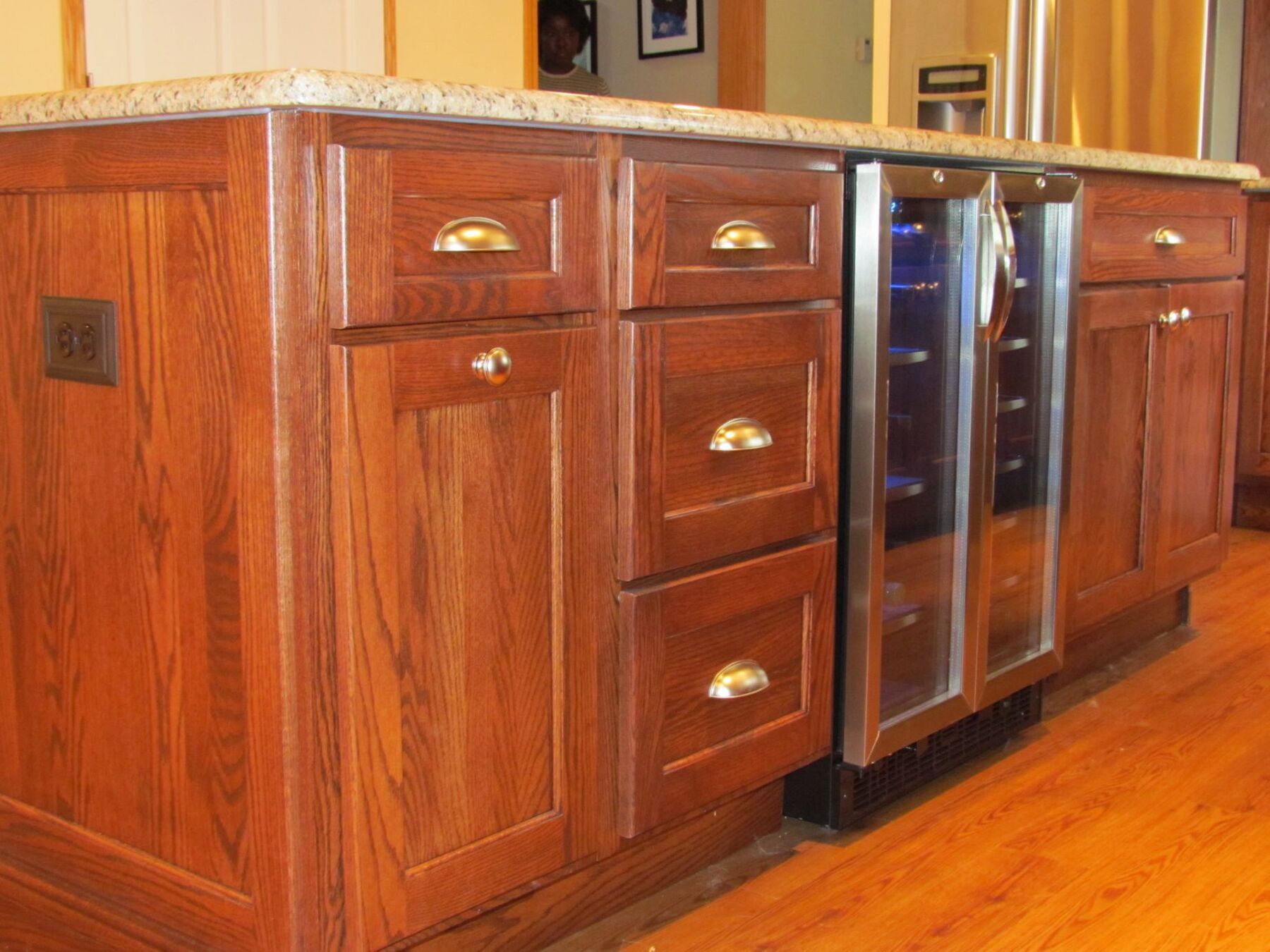
- Wet bar or snack station: A compact bar with a sink, under counter fridge, and storage keeps drinks and snacks handy for adults and kids.
- Kid friendly extras: Rock walls, reading nooks under the stairs, and low built ins for toys help kids feel the space is theirs too.
- Hobby corners: A craft island with storage, a small home gym with rubber flooring and mirrors, or a music zone with some sound control can make the basement the most useful room in the house.
Real world projects show that even simple improvements like adding a full bath, egress window, and comfortable living area can transform an unfinished basement into a sophisticated, frequently used living space.
Work with an Ann Arbor Design Build Expert
You can DIY some parts of a basement refresh, but for a full transformation it often pays to partner with a local team that understands Michigan basements, building codes, and how to integrate the new space with the rest of your home.
Ann Arbor–based design build firms specializing in basements focus on:
- Thorough upfront design with multiple layouts, realistic cost ranges, and material options.
- Coordinated project management from demolition to final finishes, so you’re not juggling multiple trades on your own.
- Craftsmanship that makes your lower-level feel like a natural extension of your main living space.
If you’re ready to stop walking past a dark, unused basement and start picturing movie nights, play dates, and relaxed evenings in a space you actually love, now is the time to talk with a local professional about basement remodeling in Ann Arbor. A short design consultation can be the first step toward turning that forgotten square footage under your feet into your family’s new favorite room.