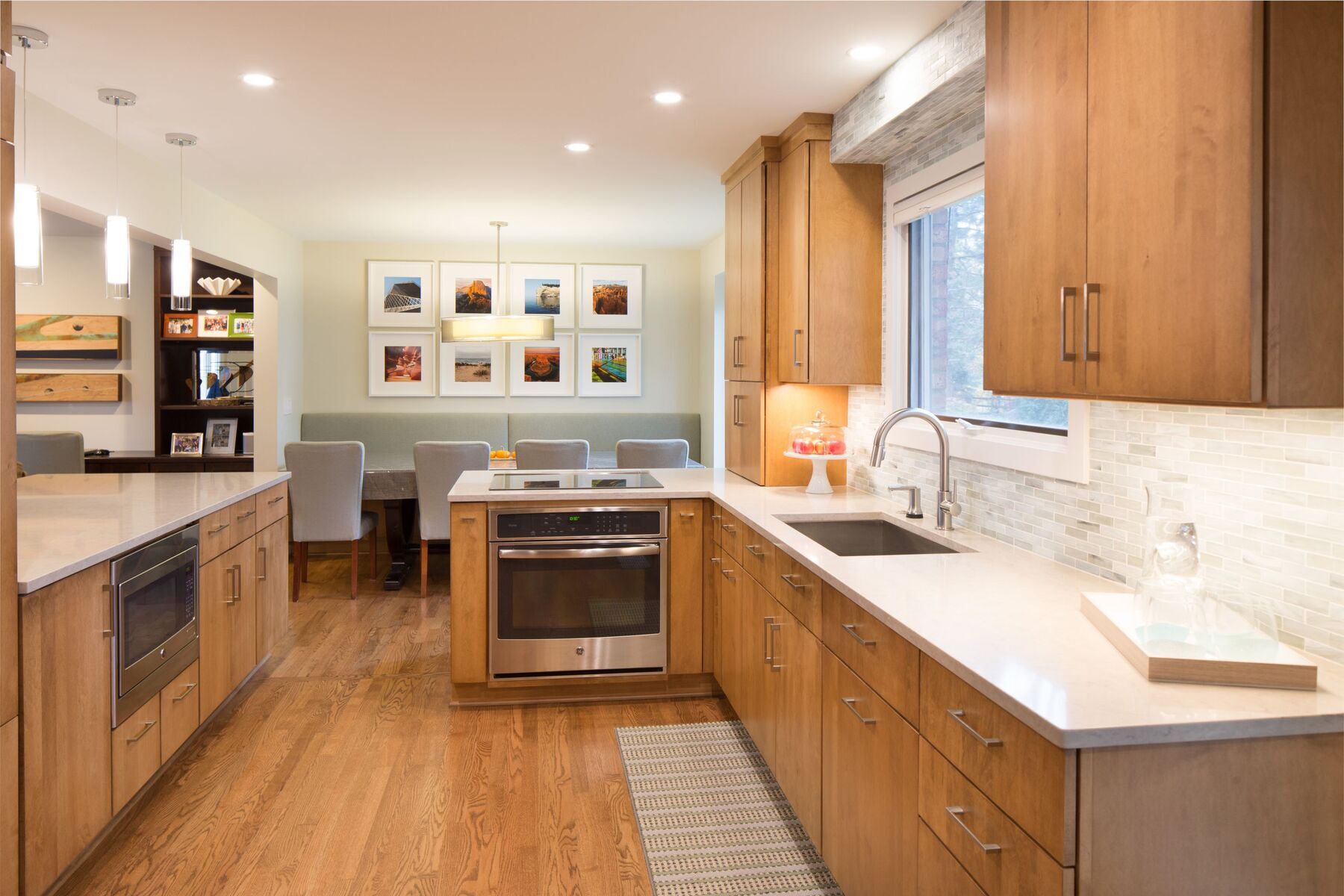
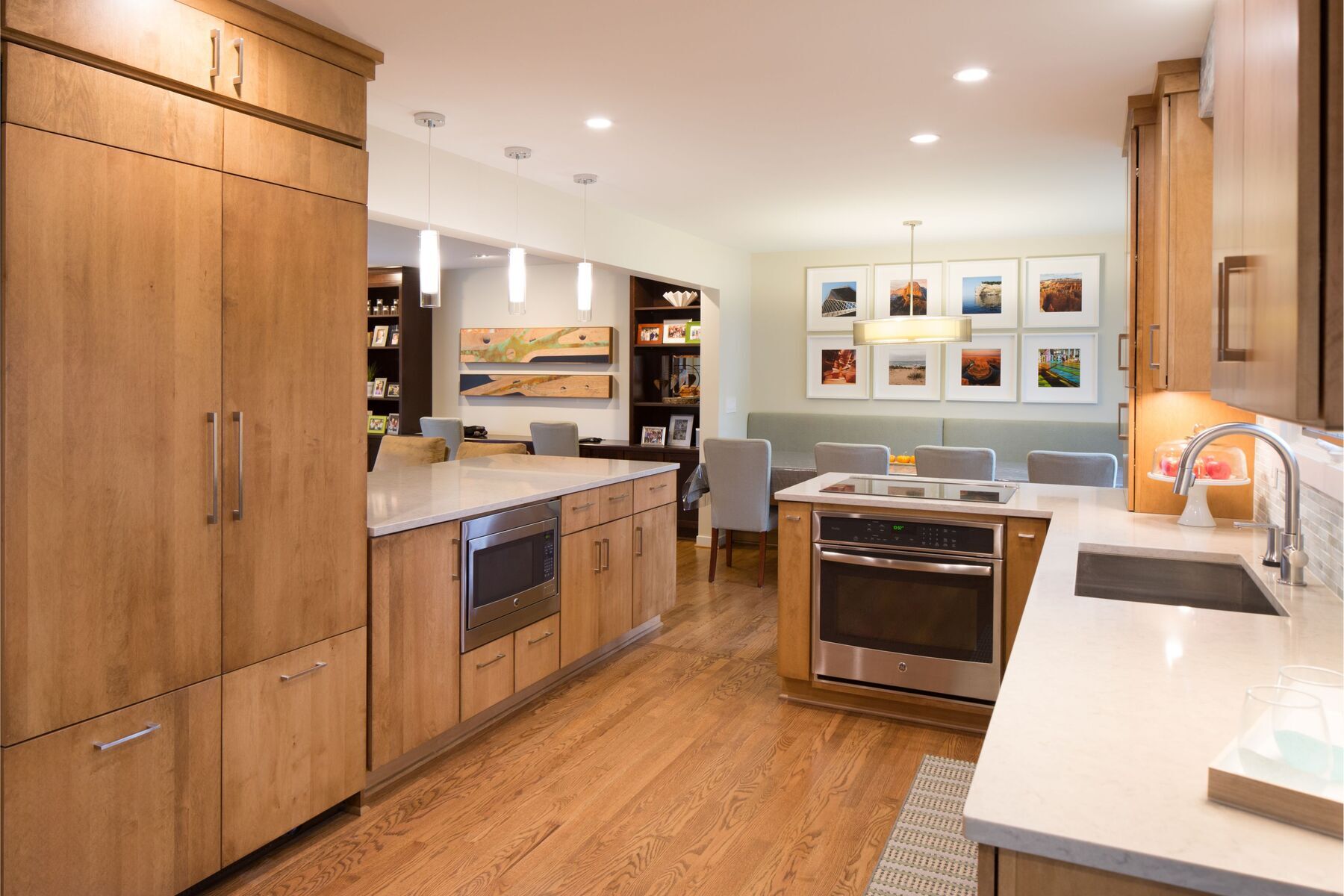
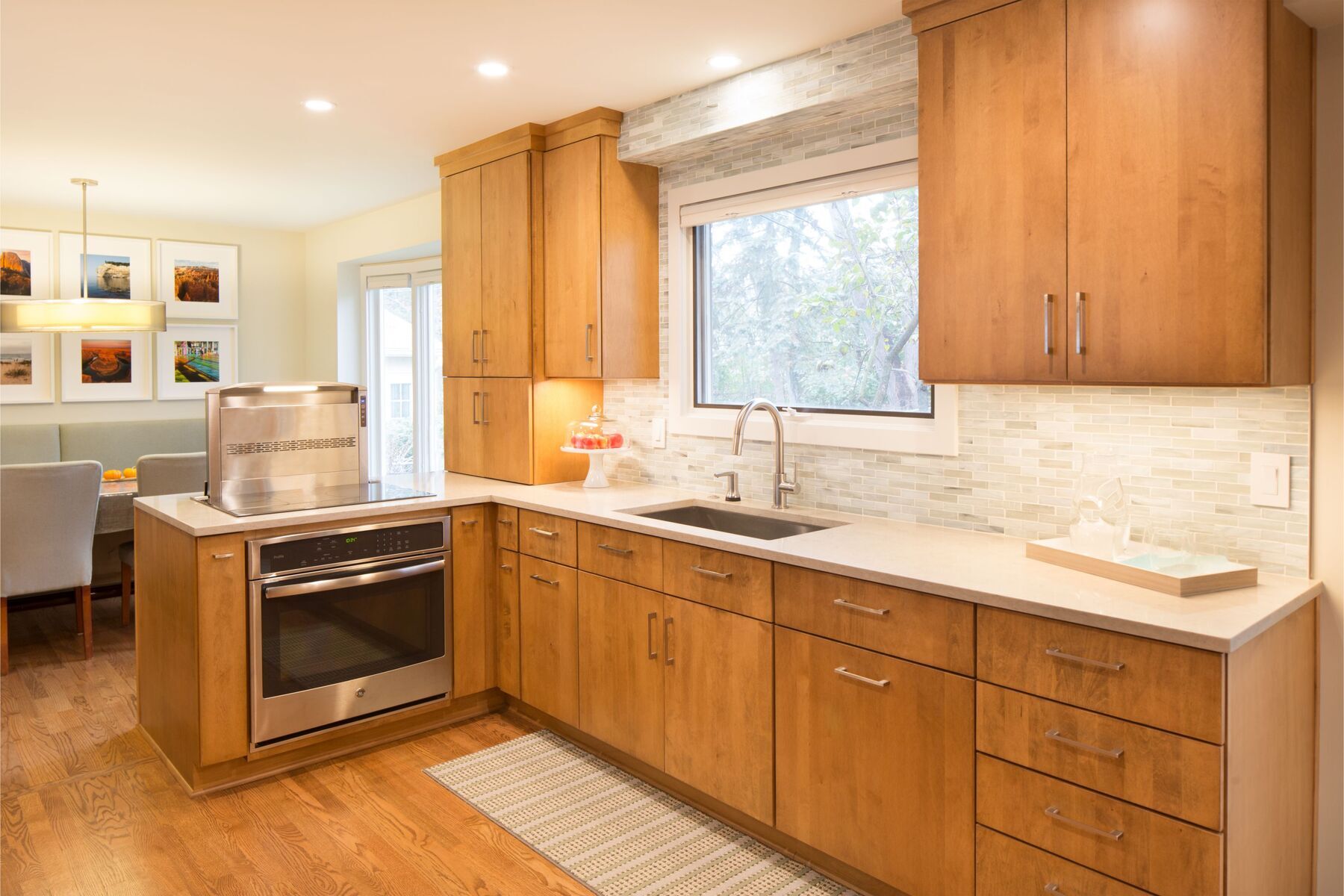
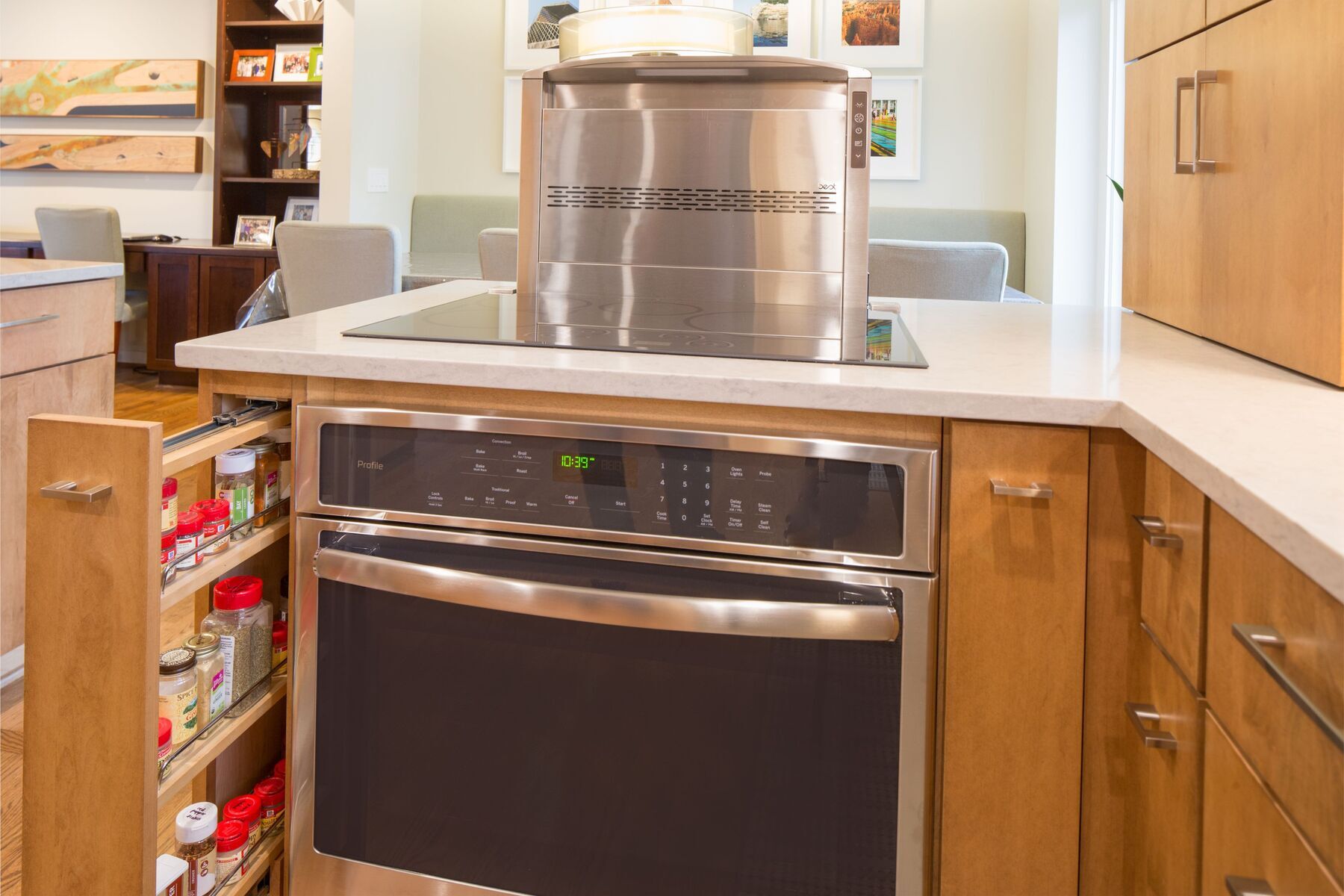
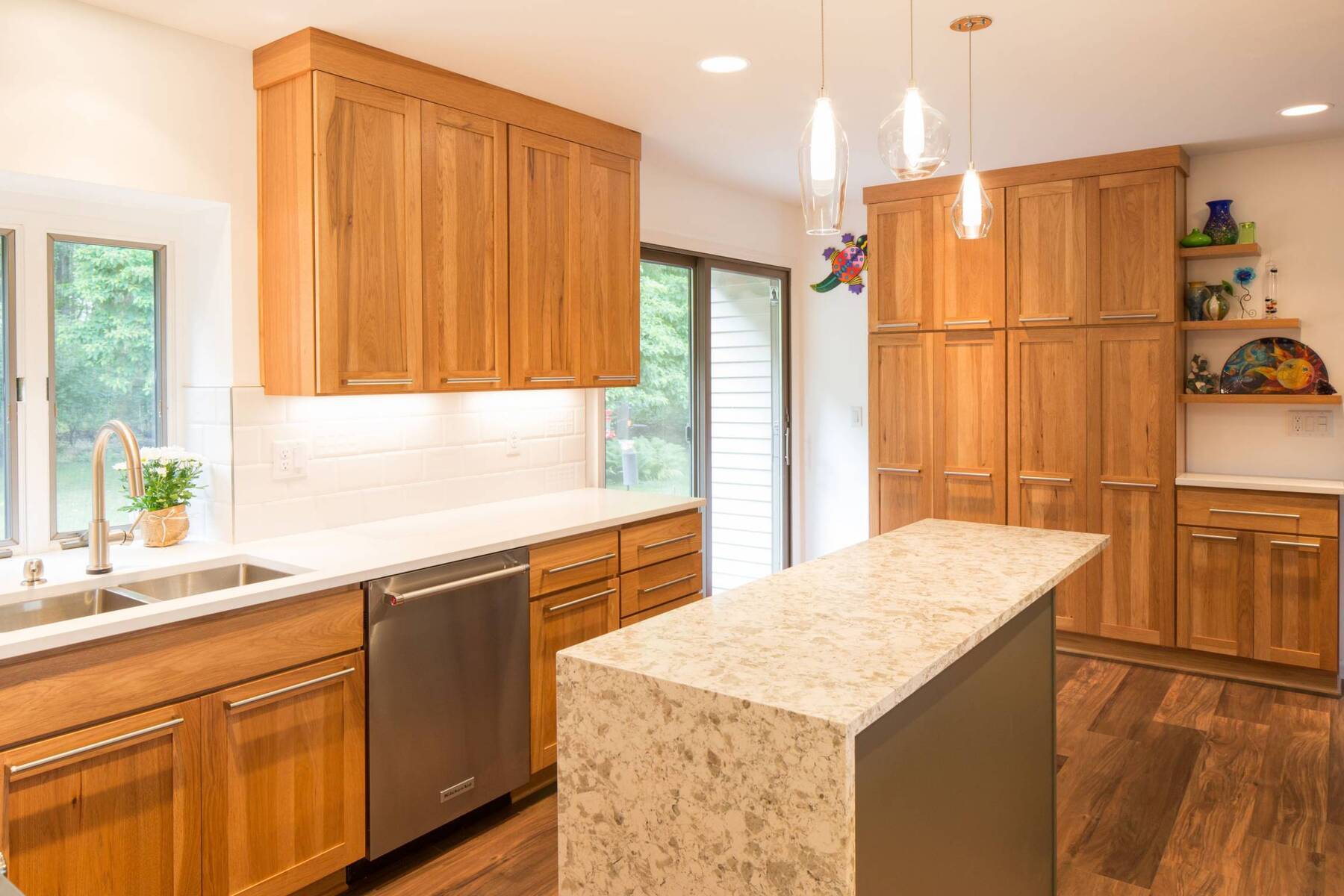
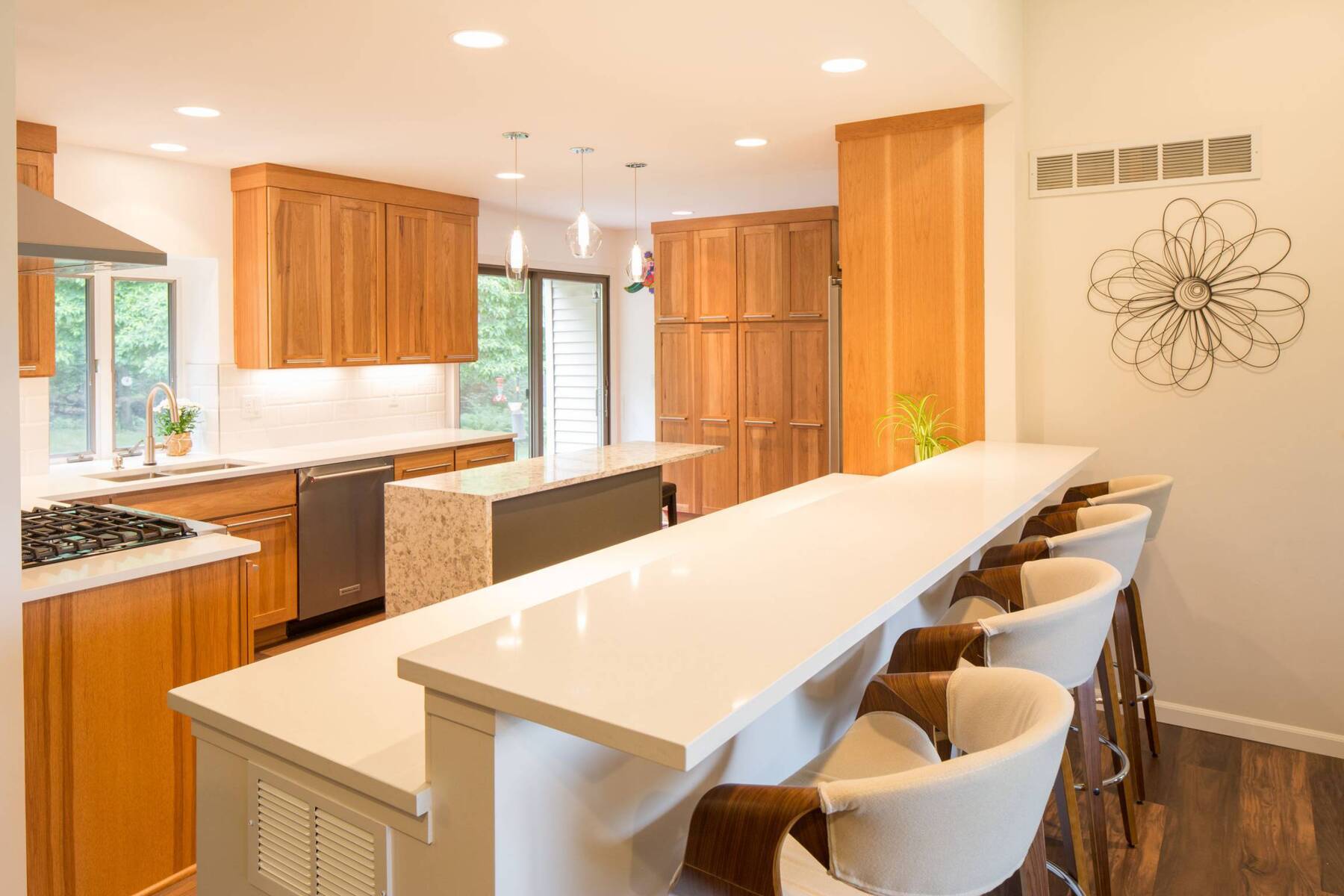
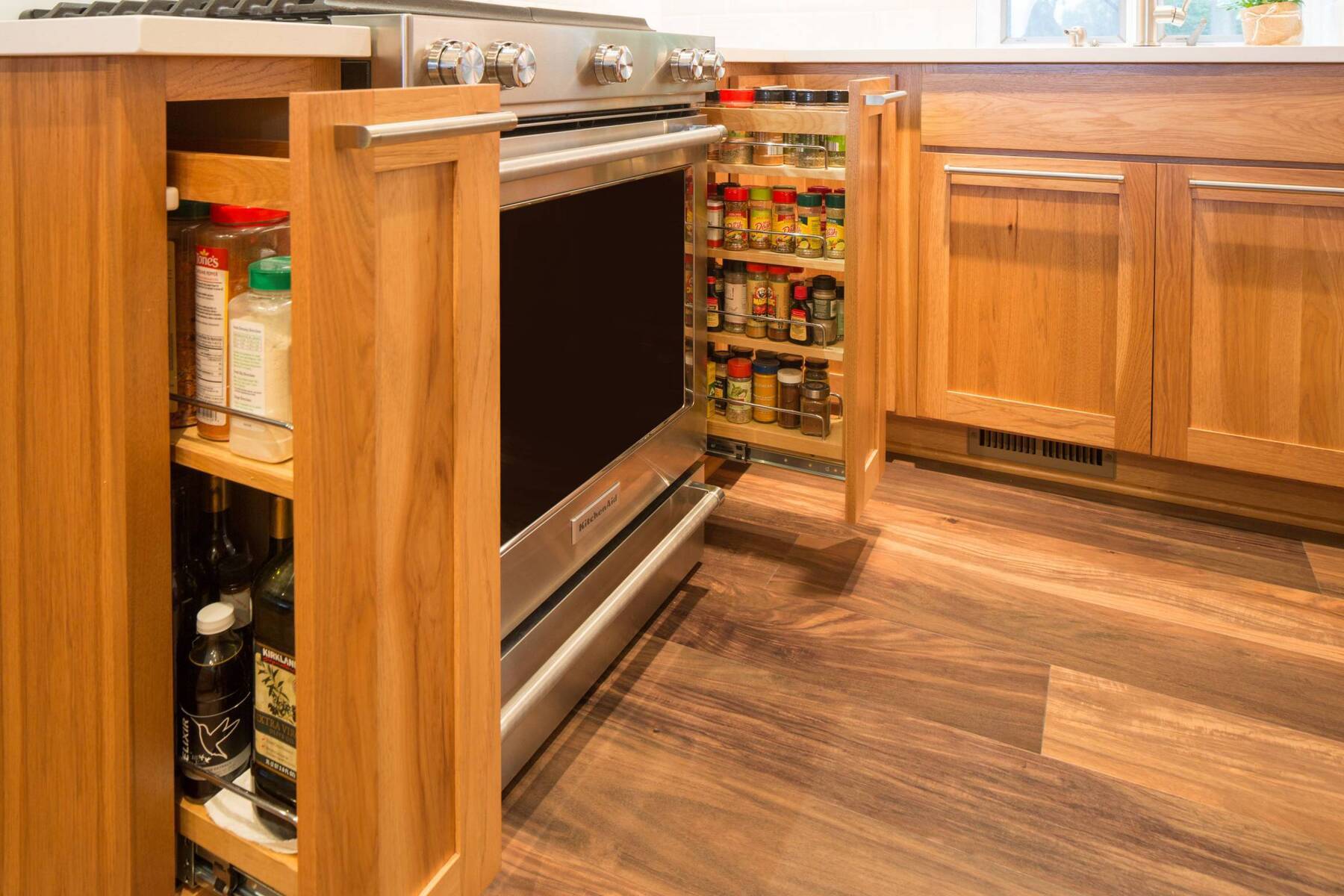
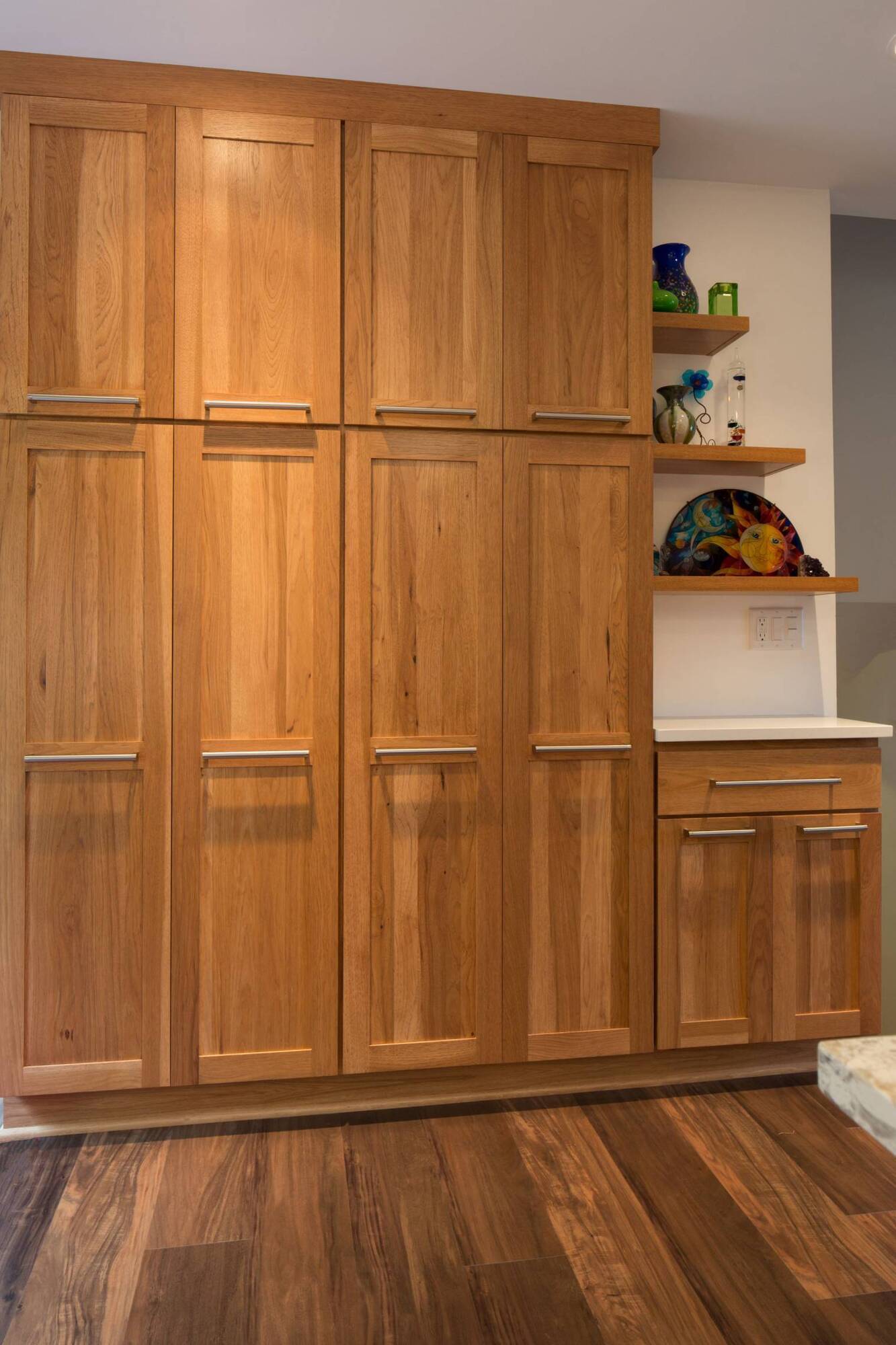
Kitchen Remodel Budgeting in Ann Arbor: What a Realistic Budget Includes
Planning a kitchen remodel? Wondering what a project of this size should actually cost?
Are you trying to balance the kitchen you want with a number that still feels comfortable for your family?
Are you worried that one wrong choice could push the project far beyond your budget? That’s exactly why a clear, realistic budget matters.
A kitchen remodel is not just about picking cabinets and countertops. It also needs to account for labor, design, permits, plumbing, electrical work, and a contingency for surprises along the way.
This article explores what a realistic kitchen remodeling budget includes, and how you can make the most of your budget while still getting the look, feel, and function you want.

Let's bring your
dream space to life.
What a realistic budget includes:
A realistic kitchen remodel budget usually covers six major areas: design, labor, materials, appliances, permits, and a contingency fund.
- Design and planning, which help you define the scope and avoid expensive changes later.
- Labor, including demolition, installation, carpentry, plumbing, electrical, and finishing work.
- Cabinetry, countertops, flooring, tile, lighting, fixtures, and hardware.
- Appliances, whether you are replacing everything or just upgrading key pieces.
- Permits and inspections when the project involves plumbing, gas, or electrical changes.
- A contingency fund, usually 10% to 20% of the total budget, for hidden issues or scope changes.
The biggest budget mistakes usually happen when homeowners only plan for visible finishes and forget the work behind the walls. That’s why a thoughtful budget should reflect the full project, not just the pretty parts.
Typical price ranges
In the Ann Arbor area, kitchen remodel pricing can vary widely depending on scope and materials.
A useful way to think about it is by project level:
- Cosmetic refresh: updating surfaces, finishes, and fixtures without changing the layout.
- Mid-range remodel: replacing cabinets, counters, appliances, and possibly making minor layout adjustments.
- High-end or custom remodel: changing the layout, moving walls or utilities, and selecting premium finishes and cabinetry.
If you are planning a more modest update, your budget may be much lower. If you want custom cabinets, structural changes, or premium materials, the total can move up quickly.
Biggest cost drivers
Several choices have a major impact on cost and knowing them early helps you make better decisions. Layout changes, custom cabinetry, and upgraded materials usually have the largest effect on the final number.
The most important cost drivers are:
- Cabinet selection, since cabinetry often takes a large share of the budget.
- Layout changes, especially if plumbing, electrical, or walls need to move.
- Countertop material, because stone and other premium options cost more than basic alternatives.
- Appliance level, since standard and high-end packages can differ substantially.
- Hidden conditions, such as outdated wiring, plumbing issues, or structural surprises.
This is where a design-build approach can be helpful, because it gives you a clearer picture of how each choice affects cost before construction starts.
How to plan your budget
The best way to stay on track is to build your budget around priorities, not just wish lists. Start with what matters most to you, then decide where to invest and where to simplify.
A smart planning process looks like this:
- Decide your must-haves, such as better storage, more prep space, or improved flow.
- Set your target range before choosing finishes.
- Allocate money by category instead of spending evenly across everything.
- Keep 10% to 20% reserved for surprises.
- Compare proposals based on value, not just the lowest price.
For many homeowners, the best budget is not the cheapest one. It is the one that gives you a kitchen you enjoy using every day, while still protecting you from financial stress.
What homeowners get for the money
A well-planned kitchen remodel should improve daily life, not just appearance. That means better function, easier cleanup, more storage, better traffic flow, and a space that fits how your household actually cooks and gathers.
When your budget is set correctly, you can make stronger choices in the areas that matter most. You can also avoid constant tradeoffs during the project, which makes the process feel calmer and more predictable.
For many families, that peace of mind is just as valuable as the finished kitchen itself. A realistic budget gives you room to make good decisions without feeling rushed or boxed in.
Ready to start your kitchen remodel?
If you’re thinking about a kitchen remodel in Ann Arbor or the surrounding communities, the next step is to get a conversation started around your goals, style, and budget. Fill out the contact form to begin planning a kitchen that fits your home, your needs, and your budget. We’re excited to build your dream home!